







Tile Detailing
What Is Tile Detailing?
Tile detailing is the art and science of how tiles are finished, edged, and transitioned across a surface. While tile choice, layout, and colour are often the focal point, the detailing is what ensures your finished space feels cohesive, polished, and built to last. It includes everything from the trim at the edge of a splashback to the slope of a wet room floor or how tiles meet door thresholds and internal corners. Done right, tile detailing enhances the final aesthetic and ensures long-term structural integrity.
Whether you're working on a residential bathroom, a large-scale commercial space, or a boutique retail fit-out, proper tile detailing is essential for both form and function.
Why Tile Detailing Matters
- Prevents common failures like cracking, de-bonding, or water ingress
- Ensures compliance with movement and expansion requirements
- Supports clean transitions between different floor or wall materials
- Elevates the overall visual standard of the space
It’s often the part that’s overlooked, but it’s what separates standard installs from architecturally sharp, high-spec interiors.
Key Areas of Tile Detailing
Edges and Finishing Profiles
Where a tiled area ends, the edge treatment plays a huge role in both the look and longevity of the installation. This includes:
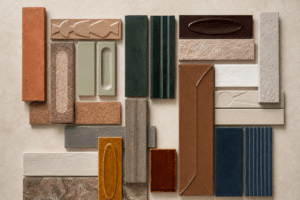
- Aluminium or stainless steel trims for sharp, clean edges
- Bullnose or glazed-edge tiles for a more classic finish
- Mitred edges for minimalist modern designs (e.g. niches or window reveals)
- Porcelain-cut edges with minimal trims for high-end installations
Internal & External Corners
Corners are high-stress areas that need proper treatment to avoid cracks or lipping:
- Silicone movement joints at internal corners
- Tile trim or quadrant profiles for external corners
- Mitred corners for seamless modern aesthetics
Movement Joints
Every tiled surface expands and contracts. Movement joints absorb these shifts and prevent cracking:
- Required every 8 linear metres on large walls and floors
- Always required where tiled areas meet another material or structure
- Essential in underfloor heating, conservatories, and areas with high thermal movement
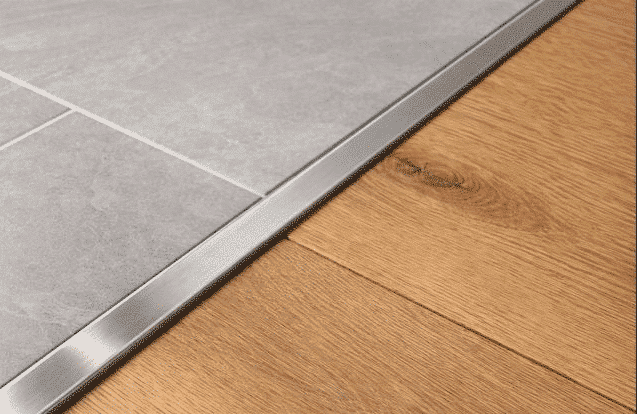
Transitions Between Materials
Whether it’s tile to timber, LVT, resin, or polished concrete, junctions must be planned:
- Use reducer profiles or threshold strips for level changes
- Incorporate flexible silicone where hard meets soft flooring
- Break up zones cleanly using colour-matched trims
Perimeter & Skirting Finishes
At wall-to-floor junctions, leave a small perimeter gap:
- Use backer rod and silicone for flexibility
- Avoid grouting directly against walls or skirting
- In wet areas, detail with tile skirtings or preformed cove trims for water protection
Wet Room Falls & Drainage
In wet rooms and walk-in showers, correct detailing keeps water moving efficiently:
- Form falls to linear or square drains
- Use tileable drain covers or metal grates for clean design
- Waterproofing must be layered with tile adhesive and trim detailing in mind
Grout Line Planning
Tile detailing includes smart planning of joints:
- Match grout width to tile size and material
- Align grout lines with architectural features (doorways, windows)
- Use colour-matched or contrasting grout based on the visual intent
Feature Details & Bespoke Work
Unique design features also fall under tile detailing:
- Tiled steps or stairs
- Shadow gaps around fittings
- Floating bench seats or recessed shelves
- Large-format tile layouts with uninterrupted planes
Working With Architile on Tile Detailing
We work closely with architects, designers, contractors, and homeowners to plan tile detailing that balances practicality with design intent. Whether you’re finalising a technical specification, resolving tricky transitions, or detailing a challenging space, our team provides clear, practical guidance to help you get it right the first time.
Our support includes layout advice, technical resources, and access to sample trims, ensuring your tiling is detailed to perfection and costly mistakes are avoided before they appear on site.