









Archi M40
Archi-M40 Tile Fixing Specification Guide
Understanding how to install tiles properly can feel complicated. That’s why we’ve created a simple, straightforward guide that covers most installations — roughly 90% of standard floor and wall tiling projects, including wet rooms, underfloor heating, and a range of substrates.
Use the section relevant to your project (floor, wall, internal or external), and if you have a unique scenario or need specialist advice — just contact us at [email protected] and we’ll help you through it.

What This Guide Covers
Floor tiling (internal & external)
Wall Tiling
Different substrates and backgrounds
Install methods for wet areas, dry areas, and underfloor heating systems
Key checks and requirements to meet industry standards
Main Principles of M40 Tile Fixing
Base & Substrate Preparation
Before tile installation begins:
- Ensure the background or base is sound, stable and compatible
- Remove contaminants — dust, oil, laitance, old adhesives, paints — that could interfere with bonding
- Allow adequate drying time for new concrete or renders (typically 6 weeks for concrete) before tiling
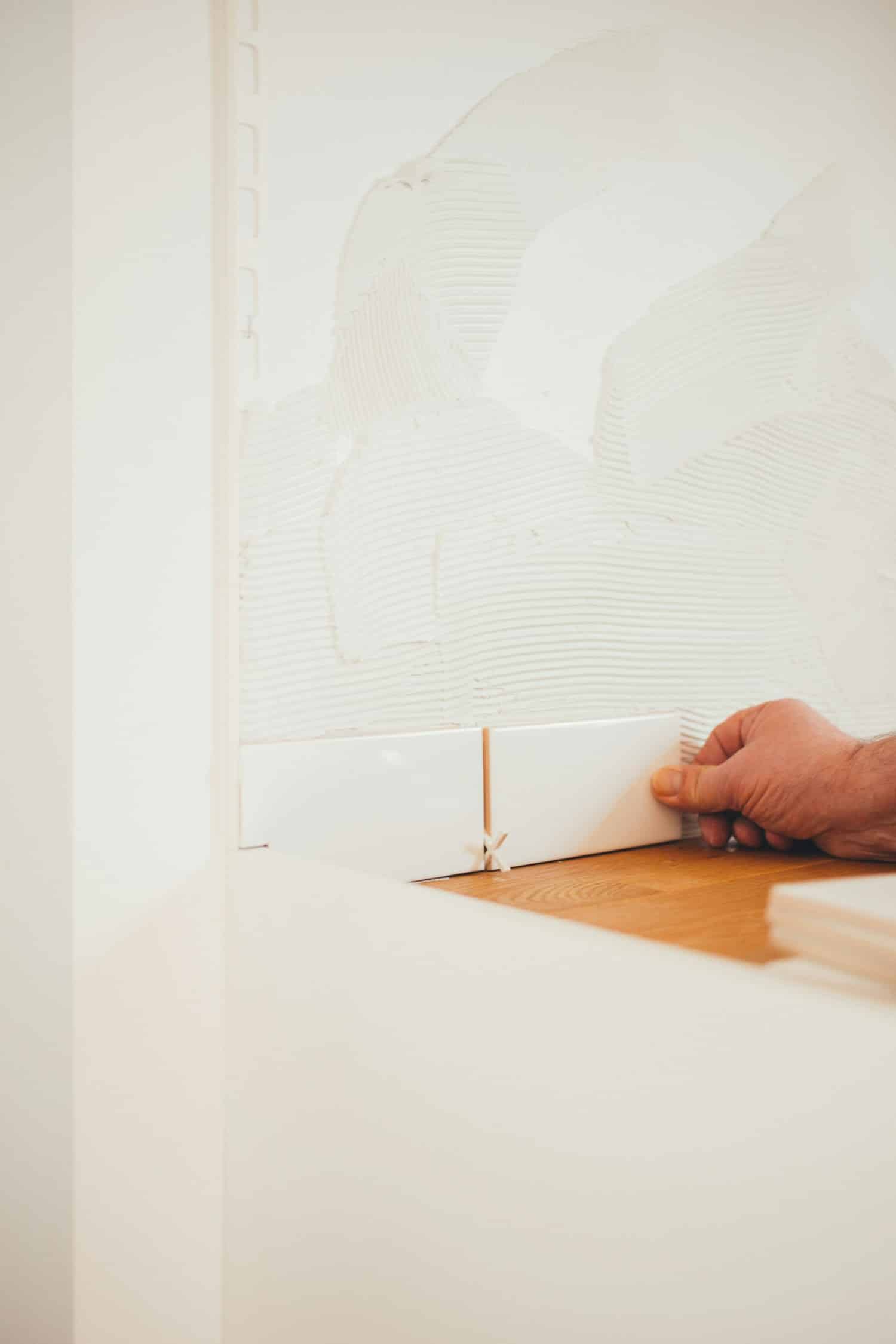
Proper Bedding & Adhesive Fixing
Depending on the project:
- Use a solid adhesive bed (thin or thick bed, depending on tile type and substrate)
- Apply adhesive according to manufacturer instructions and ensure full coverage — the tile base and background must bond fully
Tile Layout, Joints & Movement Joints
- Set out tile layout carefully — plan cuts to keep them unobtrusive
- Maintain even joints (typically 3 mm or wider, as specified)
- Include movement joints per relevant standards (e.g. around perimeters, door thresholds, structural joints, and at regular intervals on large areas)
Final Fix & Grouting
- Once adhesive has cured sufficiently, grout joints completely
- Ensure grout fills fully and is levelled correctly
- Clean any residue carefully — tile surfaces and joints should be clean and free of adhesive/grout marks
When to Use This Specification
Archi-M40 is suitable for:
- Porcelain, ceramic, natural stone and mosaic tiles
- Residential, commercial, and industrial projects
- Internal floors, walls, bathrooms, kitchens
- External patios, terraces, balconies (subject to suitable slip- and weather-resistance tiles & adhesives)
- Installations over underfloor heating or standard concrete/screed bases
Because the guide is widely applicable, you’ll often find that the same basic specification works for many different kinds of projects, reducing complexity and risk.
Why Use Archi-M40 (and Why You Can Trust It)
- It’s based on widely accepted industry standards that many tile suppliers and contractors use across the UK. cms.esi.info+2porcelainplus.co.uk+2
- The specification ensures installations are done properly, safely, and to last — not just “good enough.”
- By following M40 carefully, you reduce the chance of failures, early wear, loose tiles or grout issues.
- For specifiers or architects, it simplifies tender packs: just specify “Archi-M40” and know that all fundamentals are covered.
Need Help or a Custom Specification?
If your project is non-standard (large format tiles, heavy duty traffic areas, underfloor heating, unusual substrates, external paving, etc.), we can help produce a fully bespoke M40 spec tailored to your needs.